By Jennifer (Jenn) Barfield RPCDP, PCDAA, CHATP
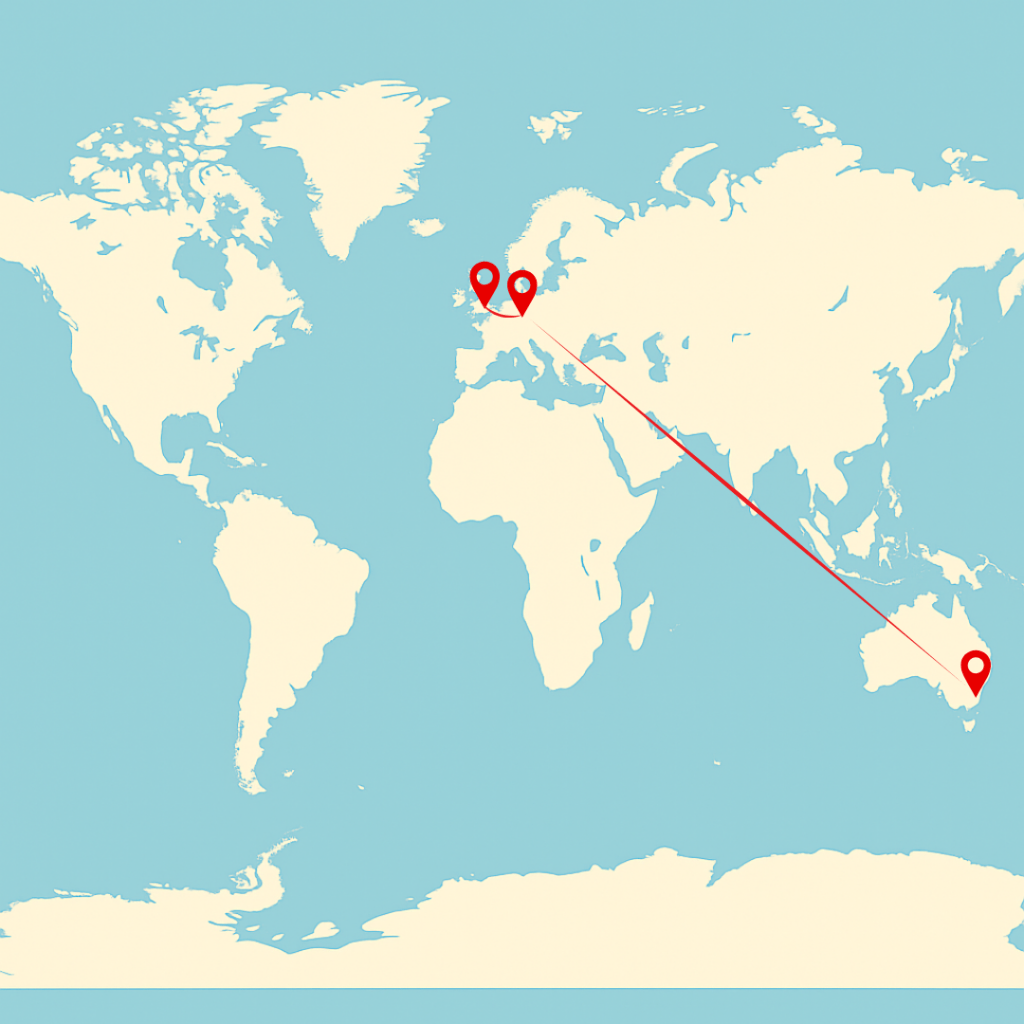
If there’s one thing I’ve learned through working across Australia, the UK, and Germany, it’s this: the divide between civilian and military worlds is real, but it doesn’t have to be permanent.
Having lived and worked alongside serving members, veterans, spouses, and civilian teams in these three countries, I’ve come to deeply understand how national identity, military culture, and transition experiences shape how we think about careers, identity, and belonging.
And yet still, too often, these worlds operate in isolation.
This blog series, Veteran Transitions Across Borders – Insights. Collaboration. Hope in Action, is about shifting that narrative.
My Journey Between Civilian and Military Spaces
My connection to the military began not in uniform, but in support roles as a military spouse and civilian employee. In the UK, I worked with the Royal Engineers Association at Brompton Barracks. In Germany, I supported soldiers and their families through the British Army Education Centre in Münster. Later, back home in Australia, I continued my work with the Australian Defence Force and externally. Now I continue to focus on offering creative, theory-informed career development strategies for veterans and their families globally.
Across these experiences, one constant emerged: career transitions are never just about jobs. They’re about identity, community, values, and sustainable actionable hope.
Why This Series, and Why Now?
In every country I’ve worked, I’ve seen versions of the same challenges:
- Veterans unsure how their service translates into civilian employment
- Employers unclear about what military experience really means
- Families, especially spouses, navigating broken or unconventional career paths
- Career professionals wanting to help, but unsure where to start
And yet I’ve also seen incredible strengths:
- Creative problem solving
- Resilience under pressure
- Leadership forged in complex environments
- Loyalty, adaptability, and integrity
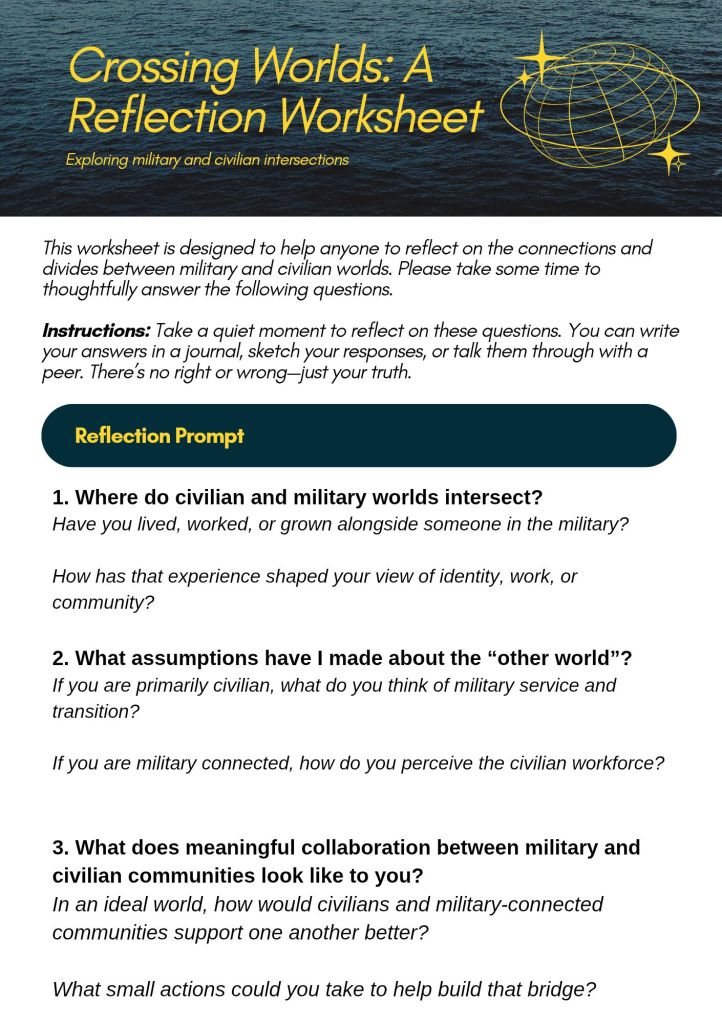
Civilian and military communities have so much to learn from each other. But collaboration only works when it’s built on mutual respect, informed curiosity, and the right tools to translate between worlds.
What You Can Expect From This Series
Over the coming weeks, I’ll be sharing a series of blogs exploring:
- Contemporary veteran transitions
- Hidden strengths of military spouses and children
- Case studies and creative career development tools
- Reflections from across three countries and cultures
- Evidence based career development theories and frameworks/models such as Hope Action Theory
- Ways organisations, joint ventures are or could help with national and international program collaborations
Each post is designed to highlight real voices, evidence-based strategies, and practical ways we can better support those moving between military and civilian lives.
Whether you’re a veteran, a career development practitioner, a policymaker, or someone simply interested in this intersection — I hope you’ll find something here that resonates, challenges, or inspires you.
Is there a part of your journey you’d like to share or a lesson you’ve learned in building bridges across worlds? I’d love to hear from you
Let’s Build the Bridge Together
I believe this work is needed now more than ever. Not only because transitions can be complex, but because our societies need the kinds of strengths veterans and military families bring.
So, let’s build this bridge. Brick by brick. Blog by blog.
Next up: Solidarity, Respect, Cohesion – Reflections on Germany’s First National Veterans Day.
 Jenn Barfield - Holistic Clarity Coaching