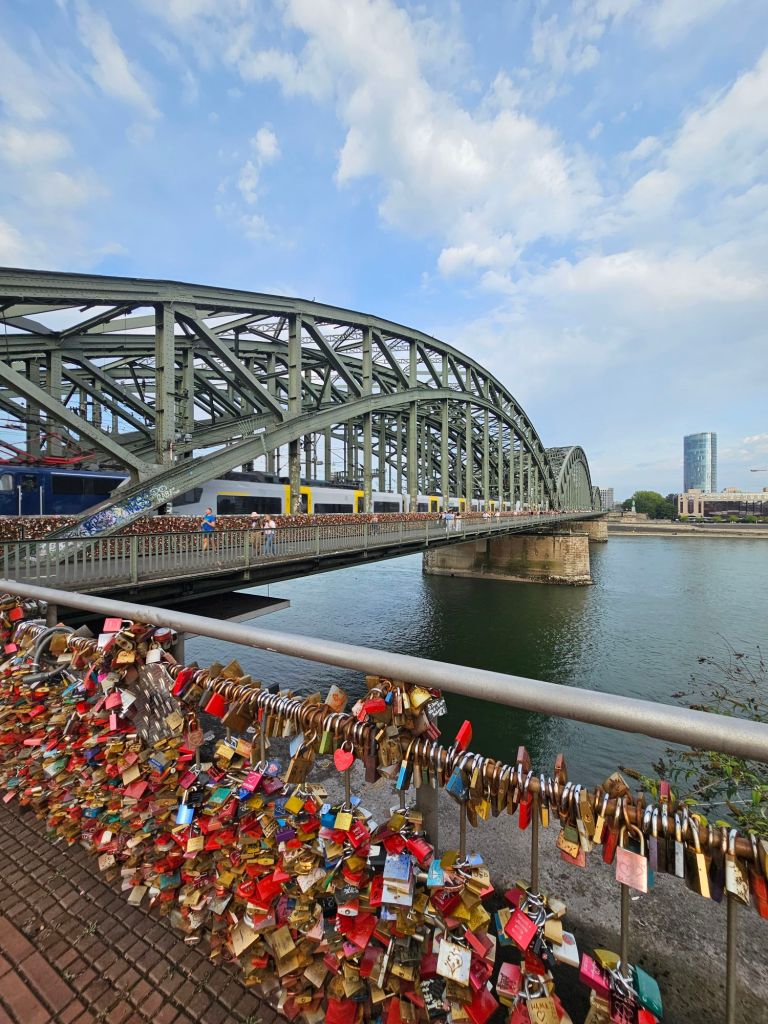
One year ago this week, Career Development Professionals from Australia, the UK, and Germany gathered along the banks of the Rhine river in Cologne for the inaugural Fuddle on the Rhine.
What unfolded across the weekend was not a traditional professional development event with rigid schedules or heavily scripted outcomes.

Instead, it became a shared exploration of creativity, curiosity, culture, storytelling, and experiential learning.
We explored career metaphors through bridges, cathedrals, gardens, urban art, river journeys, local legends, and conversations sparked while walking through the city together. We experimented with creative resources, tested ideas, reflected on sustainability and the UN 17 Sustainable Development Goals, and gave ourselves permission to notice where conversations naturally wanted to go.
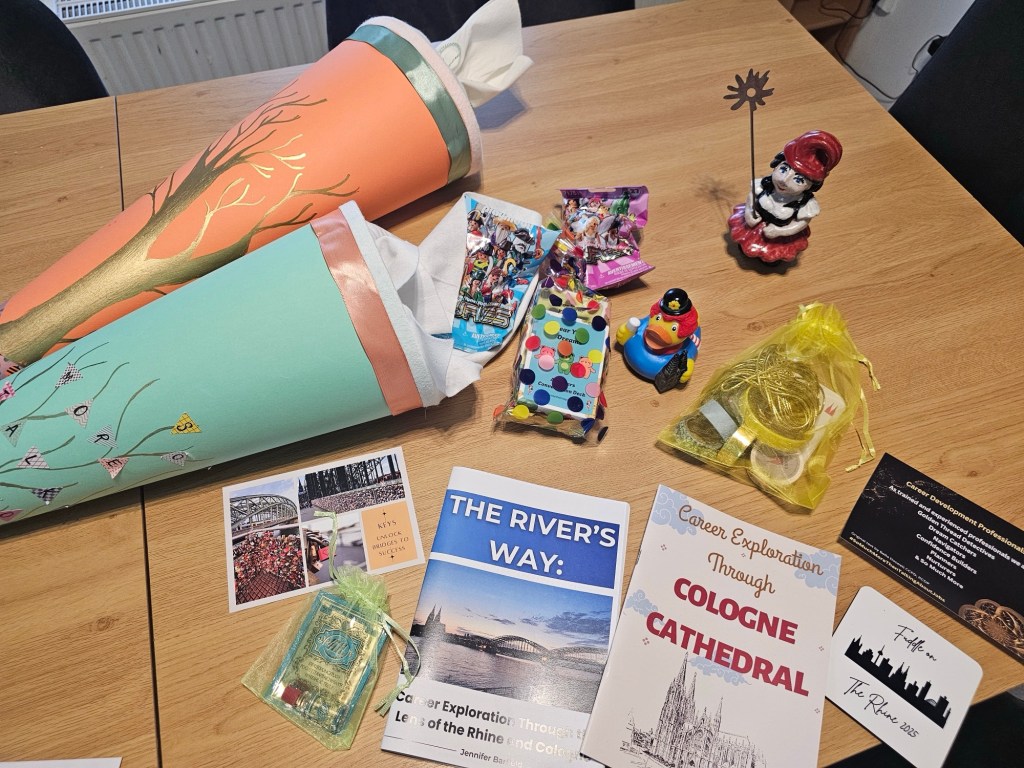
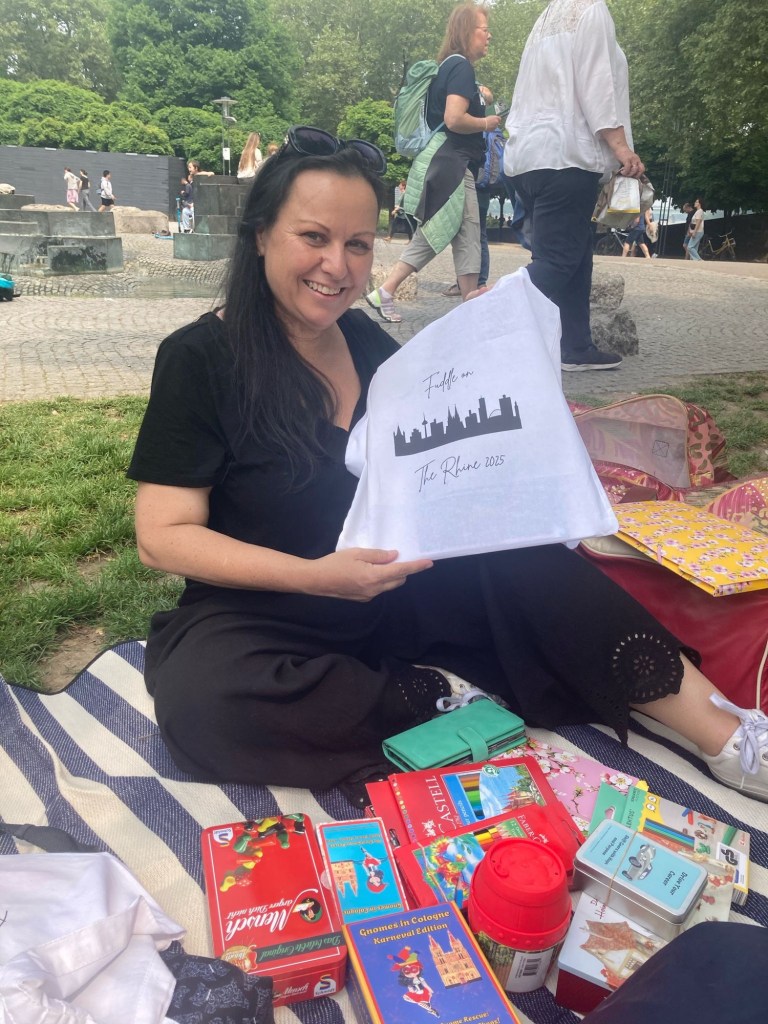
One of the activities that generated the most laughter, energy, and unexpected depth was my “Gnomes in Cologne: Karneval in Crisis” challenge game.

At first glance, the game appears playful and slightly chaotic.
Participants become members of emergency “gnome crisis response teams” tasked with solving unusual Cologne-inspired challenges before dawn approaches. Challenges are paired with gremlins or barriers that complicate the situation further.
One team had to solve this dilemma:
A Karneval float has tipped over, scattering sweets across the streets of Cologne, while exhausted tourists are stranded halfway up the 500-plus stairs of Cologne Cathedral.
Another team faced the disappearance of the Karneval prince’s crown just before the parade was due to begin, while simultaneously trying to repair a reveller’s broken mask amidst communication breakdowns, collaboration issues, and severe time pressure.
Ridiculous?
Absolutely.
Yet listening back to the videos now, I am reminded why experiential and creative learning can be so powerful.
Without prompting, participants naturally began discussing:
- logistics
- communication
- teamwork
- resource management
- leadership
- emotional encouragement
- adaptability
- crisis response
- artisan trades
- tourism
- hospitality
- event management
- public speaking
- problem-solving under pressure
The conversations became layered, improvisational, and highly collaborative.
Nobody was sitting passively waiting for the “correct answer.”
Instead, people were building ideas together in real time, using possibility thinking, challenges mindset.
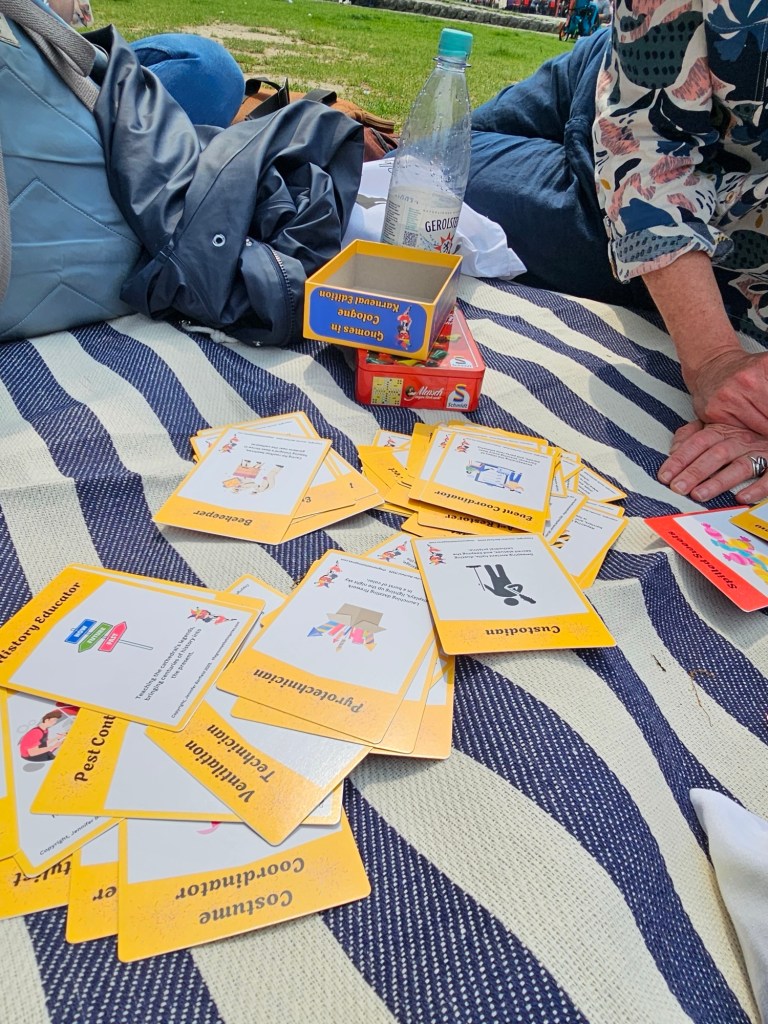
Importantly, humour became part of the learning process rather than a distraction from it. The absurdity lowered pressure, widened thinking, and created space for experimentation.
This is something I continue to reflect on deeply in my work.
In career development and clarity coaching, focus can be heavily on outcomes, plans, and measurable progress. Those things matter. But creativity, curiosity, storytelling, and playfulness also matter, because they help people move beyond rigid thinking patterns and reconnect with imagination, possibility, and agency.
Sometimes the most meaningful professional conversations emerge when people stop trying to sound “academic”.
Looking back, I reaffirm that ‘Fuddle on the Rhine’ was never really about delivering content.
It was about creating conditions where ideas could emerge organically through place, culture, conversation, and shared experience.
The Gnomes in Cologne activities embodied that spirit perfectly.
A year later, I still find myself smiling at the image of a slightly wonky replacement Karneval crown, repaired masks, tourists climbing cathedral stairs fuelled by rescued sweets, and a crisis management strategy that ultimately involved solving team collaboration issues with Kölsch.
And perhaps that is the point.
People rarely remember PowerPoint slides.
But they do remember moments where they felt curious, connected, playful, seen, and inspired.
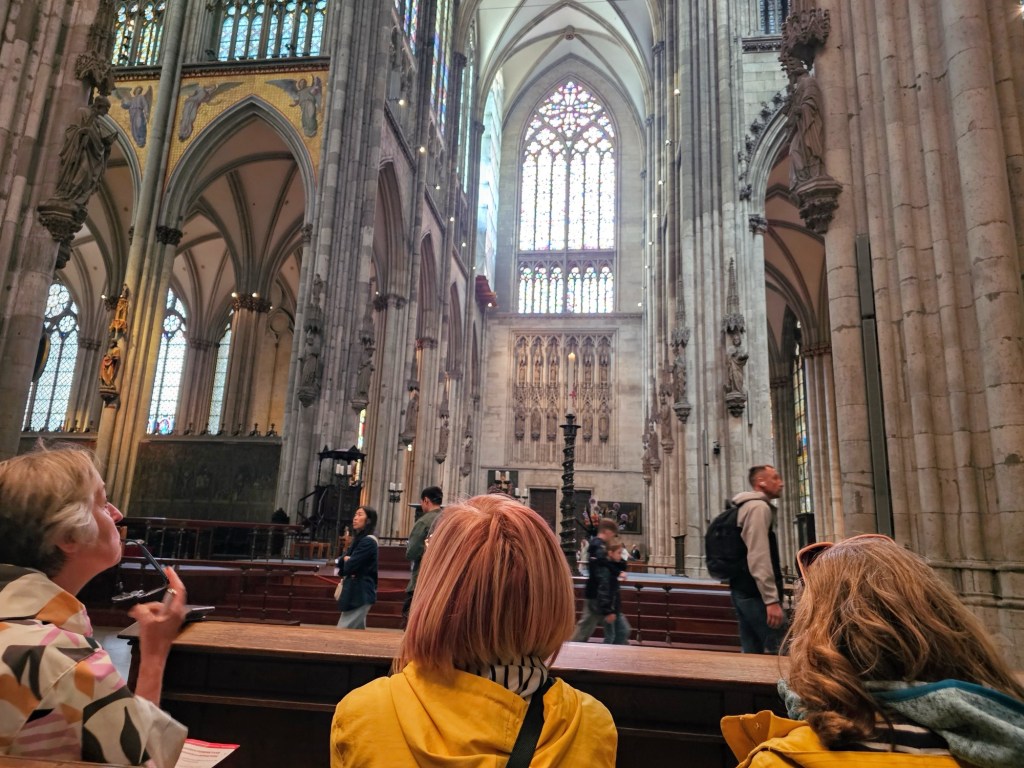
That is what Fuddle on the Rhine gave us.

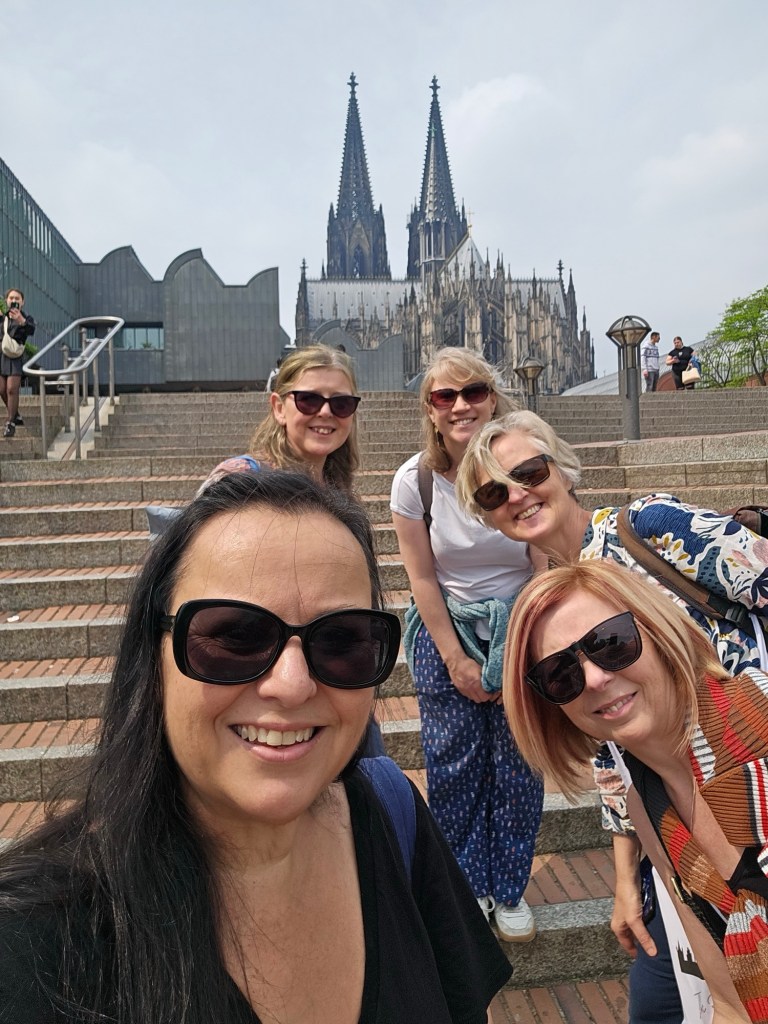
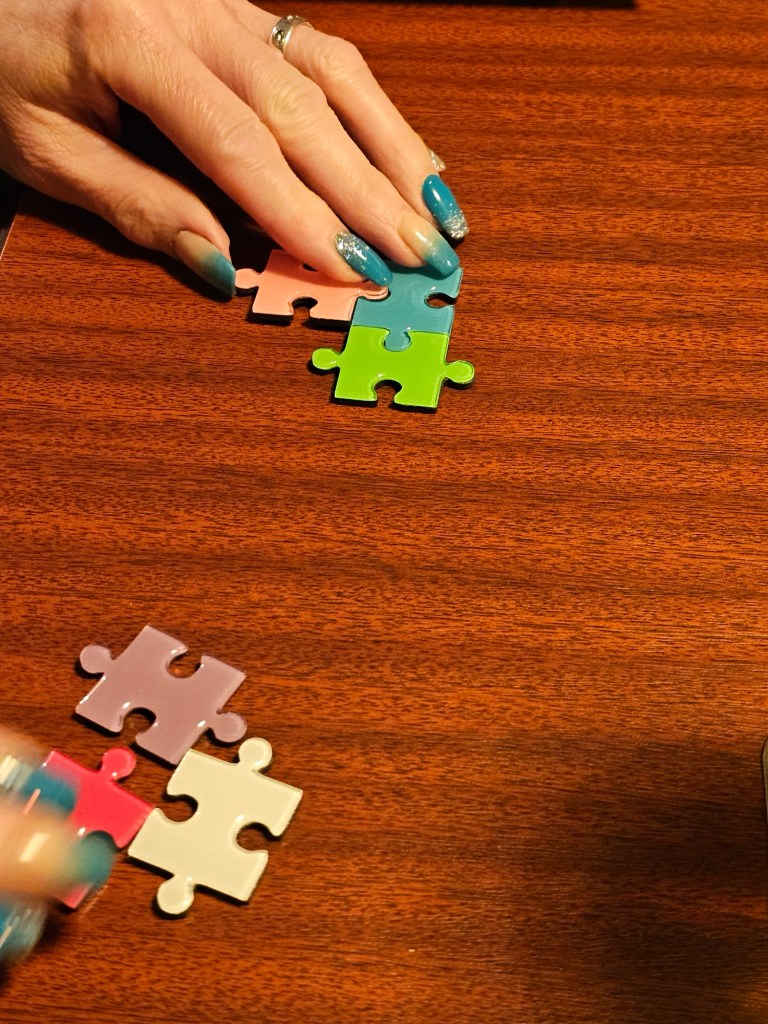
One year on, the ideas continue to evolve.
I am currently enjoying working on a “Gnomes in Melbourne” edition of the challenges game, inspired by the culture, stories, laneways, and riverside spaces of Melbourne.
 Jenn Barfield - Holistic Clarity Coaching