The Whole Orange Approach
Over the past few days, I intentionally stepped away from screens and structured “productive” work to recharge my batteries.
No major plans.
No ambitious project timelines.
Just a little more space.
Unexpectedly, that pause turned into an afternoon of experimentation involving boiled oranges, Greek yoghurt, crystallised citrus slices, dark chocolate, and a zip-lock bag masquerading as a piping tool.
The result?
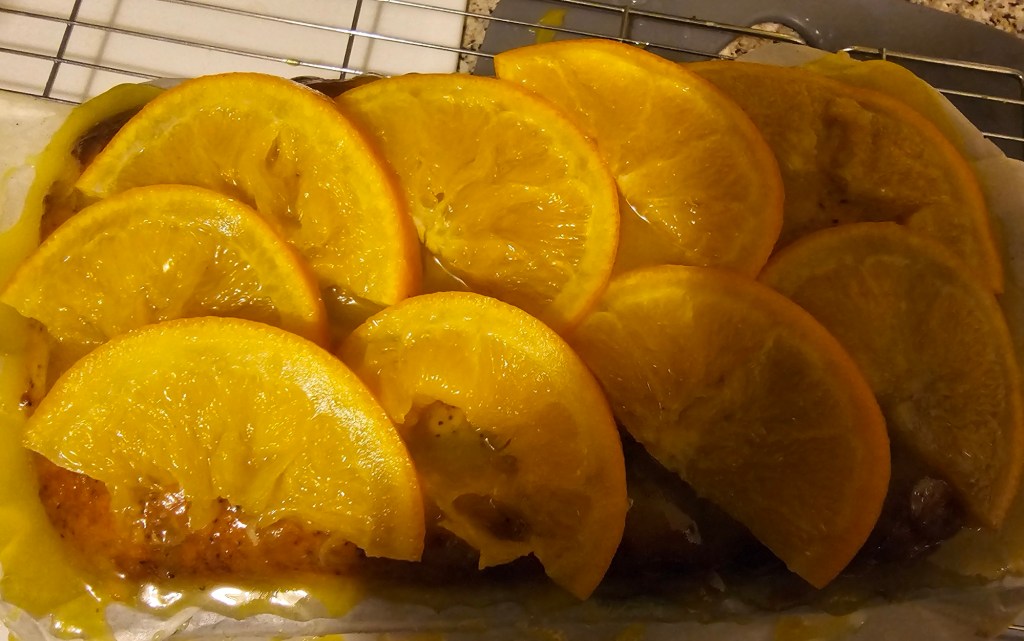
One very moist orange and poppy seed cake.
But somewhere between simmering oranges on the stove and drizzling melted dark chocolate across the top, I realised this was about far more than baking.
It was about curiosity.
A Weekend of Small Firsts
There were quite a few firsts involved in making this cake.
I had never:
- used Greek yoghurt in a cake batter
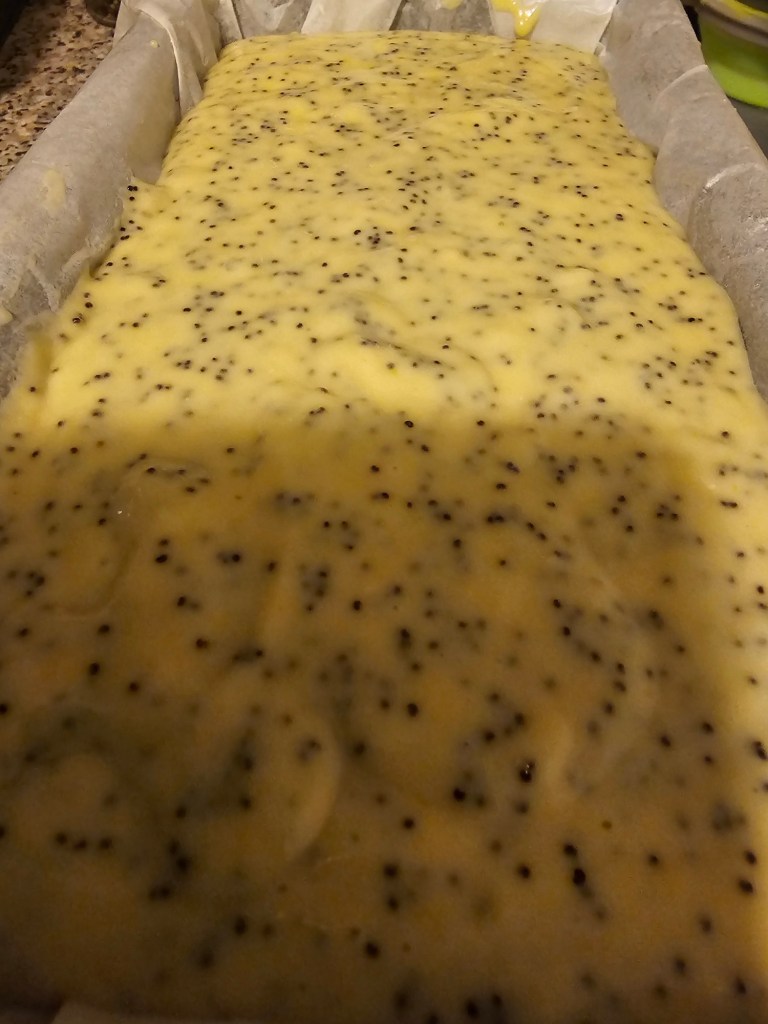
- boiled whole oranges and blended them into a puree
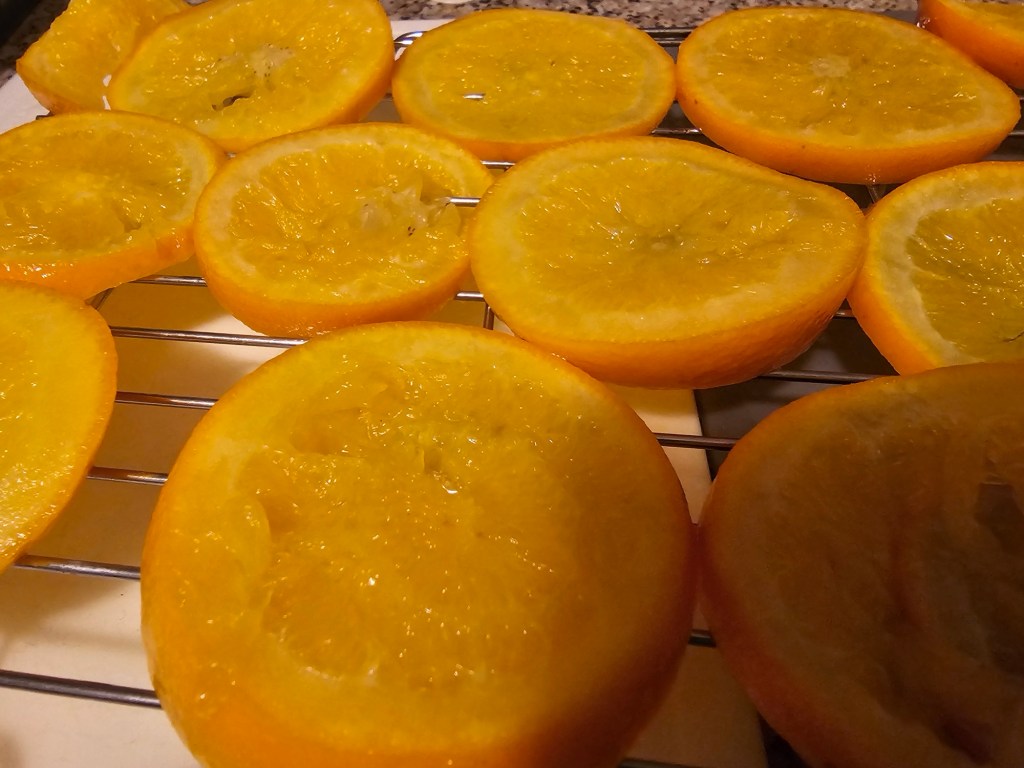
- made crystallised orange slices
- used a zip-lock bag as an icing tool
- combined dark chocolate with orange in this particular way
At multiple points, I had no idea whether the cake would actually work.
Would the batter be too wet?
Would the oranges become bitter?
Would the chocolate seize?
Would the entire thing collapse into an overly dense citrus brick?
Honestly, that uncertainty ended up being part of the joy.
There was no pressure for perfection.
Just experimentation.
Working With the Whole Orange
One of the things I found most interesting was working with the whole orange.
Not just the juice or the neat, polished parts.
The peel.
The flesh.
The texture.
The oils.
But what fascinated me most was the process itself.
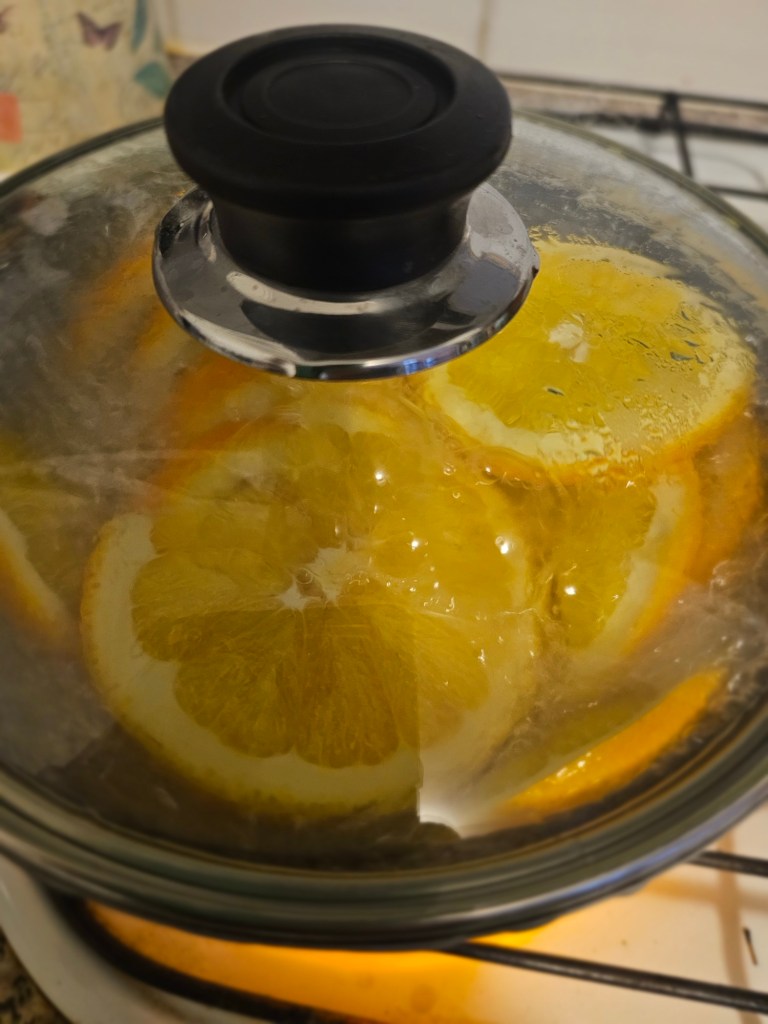
Before blending the oranges into a puree, I boiled them for ten minutes, drained the water, and repeated the process three times. I used a similar approach for the orange slices, blanching them briefly for two-minute intervals, then rinsing them under cold water before repeating the process several times.
The goal was not to remove the character of the orange completely, but to soften the harsher bitterness and create balance.
The final flavour still had depth and complexity, but without the overwhelming marmalade-like edge that can sometimes dominate whole-orange baking.
Somehow, the process itself felt quietly reflective.
Not every sharp edge needs to be cut away entirely.
Sometimes things simply need time, patience, repetition, and gentler handling before they become easier to work with.
The Value of Slow Processes
What surprised me most was how long the process actually took.
From the moment I started boiling the oranges to the point the cake batter finally went into the oven, nearly three hours had passed.
There was the repeated boiling and cooling of the oranges.
The crystallising process for the slices.
The rinsing.
The blending.
The waiting.
The adjusting.
The preparation.
Then, after baking, there was more waiting while the cake cooled before the dark chocolate drizzle could finally be added properly.
At no point did the process feel rushed.
And strangely, that became part of what made it restorative.
The cake demanded presence.
You could not really shortcut it.
Certain steps simply required patience and timing.
In a world increasingly shaped by speed, instant answers, and constant productivity, there was something deeply calming about committing to a slow creative process with no urgency attached to it.
Not because the cake was “important” in any grand sense.
But because the process itself created space to think differently.
To notice.
To experiment.
To immerse yourself in something tactile and sensory.
The scent of citrus filling the kitchen.
Steam rising from simmering oranges.
Chocolate slowly melting.
The quiet satisfaction of seeing layers come together over time.
Sometimes restoration does not come from switching off completely.
Sometimes it comes from becoming fully absorbed in something gentle enough to quiet the noise for a while.
Curiosity Without Pressure
What struck me most during the process was how calming it felt to learn without needing to become an expert.
I wasn’t trying to master pastry arts.
I wasn’t filming content.
I wasn’t optimising the process.
I was simply following curiosity.
Adjusting as I went.
Observing what happened.
Trying things.
Improvising.
At one point, I swapped traditional orange juice for a puree made from whole boiled oranges. Later, I adjusted the consistency by instinct. I adapted tools using what I had available in the kitchen.
None of it was especially revolutionary.
Yet it reminded me how much creativity often emerges through experimentation rather than certainty.
Not everything meaningful needs to begin with expertise.
Sometimes it begins with:
“I wonder what would happen if…”
Sharing It Forward
The cake itself was never really just for me.
I made it to share with colleagues for morning tea to celebrate one year since a team member joined us.
And perhaps that is part of what made the process feel meaningful too.
Not performance.
Not perfection.
Just contribution.
A homemade cake.
A thoughtful gesture.
A small shared moment around a table.
Sometimes hope and connection are built through surprisingly ordinary things.
Not grand gestures.
Not dramatic reinventions.
Just oranges.
Chocolate.
Curiosity.
And the willingness to try something new.
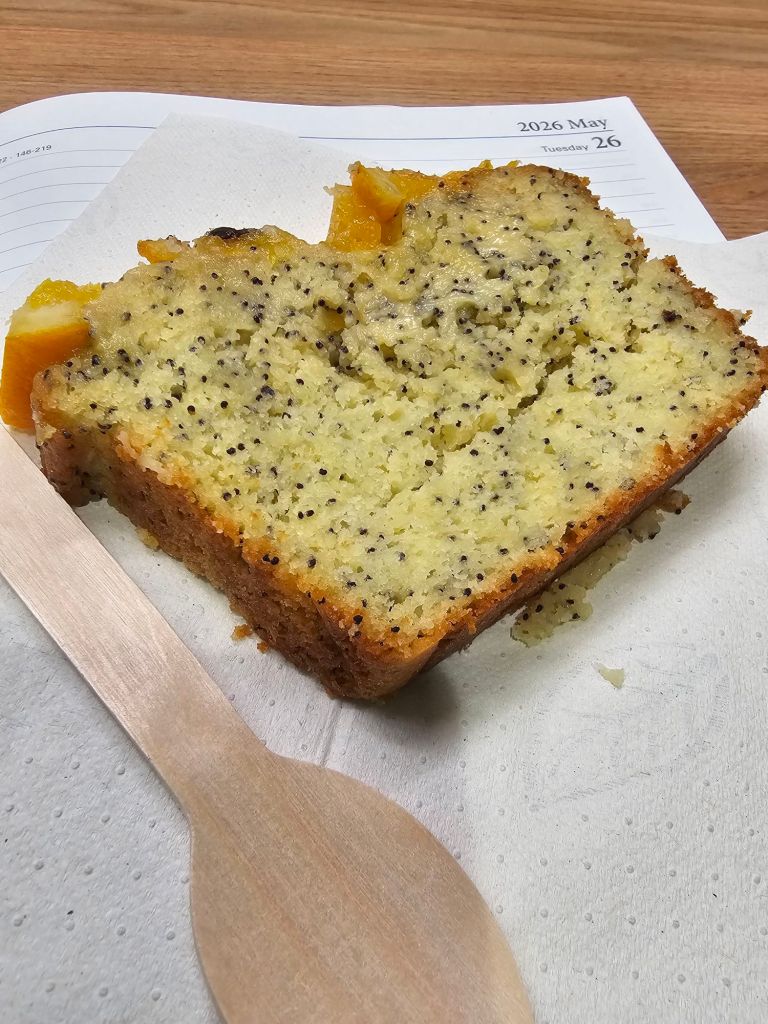
I’m happy with the way the cake turned out, I hope my colleagues will enjoy it
 Jenn Barfield - Holistic Clarity Coaching